
How to Build Toilet Training Routines That Work
August 30, 2026
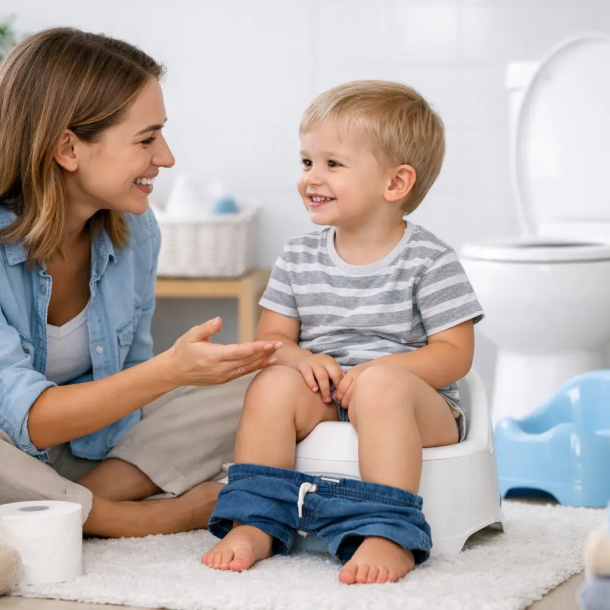
A toilet-training routine is more than a schedule on the wall. For many autistic children, it is a new sequence of body awareness, communication, sensory experiences, and daily expectations. Learning how to build toilet training routines that feel predictable and encouraging can help families replace pressure with steady practice and give children a meaningful opportunity to build independence.
Progress rarely follows a straight line. Some children quickly become comfortable sitting on the toilet but need more time recognizing body signals. Others communicate a need to go before they are ready to use the bathroom consistently. A thoughtful routine meets the child at their current skill level and adjusts as they learn.
Start With Readiness, Not a Deadline
Toilet training is often most successful when adults look beyond age and focus on practical signs of readiness. A child may be ready to begin practicing when they can sit briefly, tolerate bathroom routines, stay dry for short periods, notice when a diaper is wet or soiled, or show interest in what happens in the bathroom. They do not need to demonstrate every sign before the family starts building familiarity.
Communication can look different from one child to another. Your child might use words, point to a picture, hand you a diaper, lead you toward the bathroom, use a sign, or press a button on a communication device. These are all meaningful ways to participate. The goal is not to require one form of communication. It is to make asking for the bathroom clear and achievable for your child.
Before making major changes, consider whether your child is experiencing constipation, pain with bowel movements, frequent urination, or other health concerns. A pediatrician can help rule out medical issues that may make toilet training uncomfortable. When the bathroom has been associated with pain or fear, moving slowly and rebuilding comfort is usually more helpful than pushing forward.
How to Build Toilet Training Routines Step by Step
Begin by observing the patterns that already exist. For several days, note when your child urinates or has bowel movements, how much time typically passes between diaper changes, what they do just before going, and whether certain times of day are more predictable. This information helps create a schedule based on your child’s body and daily routine rather than an arbitrary timer.
Choose a simple starting schedule. A child might sit on the toilet after waking, before bath time, after meals, or at intervals that match their current patterns. Keep sitting periods brief and manageable, especially at the beginning. If your child can only tolerate sitting for 15 or 30 seconds, that is a reasonable place to start. Building calm tolerance is a skill in itself.
Use the same sequence each time whenever possible: go to the bathroom, lower clothing, sit or stand as appropriate, try, wipe if needed, flush, wash hands, and return to the previous activity. Visual supports can make these steps easier to understand. A small picture sequence near the toilet can reduce verbal demands and let the child see what comes next.
The routine should fit your household. A working family may need one schedule for rushed weekday mornings and a more flexible approach on weekends. Caregivers should agree on the basic steps and words they will use so the child receives consistent guidance, even if the exact timing changes.
Make the Bathroom Feel Safe and Predictable
Bathrooms can present sensory challenges that adults may not notice. The sound of a flushing toilet, bright lighting, echoing rooms, cold seats, strong cleaning-product smells, or the feeling of feet dangling can all make sitting difficult. A stable footstool, a smaller toilet seat insert, softer lighting, or access to preferred wipes may help some children feel more secure.
Not every support is right for every child. For example, a child who finds flushing distressing may initially leave the bathroom before an adult flushes. Another child may be motivated by flushing and want that step included right away. Observe the child’s response, make one change at a time, and keep the environment as calm as possible.
Use Positive Reinforcement With Care
In ABA therapy, reinforcement means providing something meaningful after a desired skill or step occurs so that the child is more likely to practice it again. For toilet training, reinforcement should be immediate, specific, and based on what motivates the individual child.
Praise can be helpful when it is clear and genuine: “You sat on the toilet when it was time to try,” or “You told me you needed the bathroom.” Some children may also respond well to a favorite activity, a small token toward a larger reward, a song, or a brief opportunity to play. The strongest reinforcer is not always food or a toy. It may be attention, a preferred routine, or the pride of completing a familiar task.
Reinforce smaller steps as well as successful toileting, especially early on. Going into the bathroom, sitting calmly, pulling down pants, or communicating a need are all valuable skills. As the child becomes more confident, adults can gradually shift reinforcement toward the next goal.
Avoid punishment, shame, or lengthy lectures after accidents. Accidents are information, not misbehavior. Respond calmly, help the child clean up at a developmentally appropriate level, and return to the routine. A neutral response protects the child’s dignity and makes it less likely that the bathroom becomes associated with stress.
Teach the Skills Around the Toilet
Independence includes more than using the toilet. Many children need direct teaching and practice for clothing management, wiping, handwashing, entering the bathroom, and communicating for help. Breaking the routine into small steps can make a large task feel more manageable.
You may practice some of these steps outside of an urgent bathroom moment. For example, a child can rehearse pushing pants down and up while fully clothed, practice washing hands after another activity, or learn to identify the bathroom symbol on a visual schedule. These low-pressure practices can make the complete routine easier when the child needs to go.
Language should stay brief and consistent. Choose a few words your family will use, such as “bathroom,” “toilet,” “potty,” “sit,” and “all done.” If your child uses an augmentative and alternative communication device, make sure bathroom-related words are easy to find and available in every setting where toileting occurs.
Plan for Accidents, Transitions, and Different Settings
A routine that works only at home is a beginning, not the finish line. Children often need support carrying the skill into school, therapy, relatives’ homes, restaurants, and community settings. Start with the environment where your child is most comfortable, then introduce one new setting at a time.
Pack spare clothing, wipes, and any visual support your child uses when leaving home. Let teachers, therapists, and other trusted caregivers know the child’s current schedule, communication method, and reinforcement plan. Consistency helps, but adults should also expect that a new bathroom can temporarily change the child’s comfort level or performance.
Nighttime dryness is a separate developmental skill from daytime toilet training. Some children need diapers or protective underwear overnight for longer, and that does not erase daytime progress. It is usually best to address nighttime routines only when there are signs that the child is consistently staying dry overnight or waking to use the bathroom.
When Individualized ABA Support Can Help
Some families benefit from professional support when toileting has become stressful, progress has stalled, the child has significant communication needs, or avoidance and anxiety are making practice difficult. An ABA treatment plan can assess the specific barriers involved, identify motivating supports, and teach toileting-related skills in small, measurable steps.
At Bhavioral Corporation, behavior analysts work with families to develop individualized goals that can be practiced across daily routines. Parent collaboration matters because caregivers understand their child’s preferences, sensory needs, schedule, and communication style better than anyone. A plan is most useful when it is realistic enough to use during ordinary mornings, busy evenings, and community outings.
Keep the focus on safety, dignity, and connection. Toilet training is not a test of parenting or a race against another child’s timeline. With a routine that is clear, responsive, and consistent, each small step can become part of a more independent day.

A toilet-training routine is more than a schedule on the wall. For many autistic children, it is a new sequence of body awareness, communication, sensory experiences, and daily expectations. Learning how to build toilet training routines that feel predictable and encouraging can help families replace pressure with steady practice and give children a meaningful opportunity to build independence.
Progress rarely follows a straight line. Some children quickly become comfortable sitting on the toilet but need more time recognizing body signals. Others communicate a need to go before they are ready to use the bathroom consistently. A thoughtful routine meets the child at their current skill level and adjusts as they learn.
Start With Readiness, Not a Deadline
Toilet training is often most successful when adults look beyond age and focus on practical signs of readiness. A child may be ready to begin practicing when they can sit briefly, tolerate bathroom routines, stay dry for short periods, notice when a diaper is wet or soiled, or show interest in what happens in the bathroom. They do not need to demonstrate every sign before the family starts building familiarity.
Communication can look different from one child to another. Your child might use words, point to a picture, hand you a diaper, lead you toward the bathroom, use a sign, or press a button on a communication device. These are all meaningful ways to participate. The goal is not to require one form of communication. It is to make asking for the bathroom clear and achievable for your child.
Before making major changes, consider whether your child is experiencing constipation, pain with bowel movements, frequent urination, or other health concerns. A pediatrician can help rule out medical issues that may make toilet training uncomfortable. When the bathroom has been associated with pain or fear, moving slowly and rebuilding comfort is usually more helpful than pushing forward.
How to Build Toilet Training Routines Step by Step
Begin by observing the patterns that already exist. For several days, note when your child urinates or has bowel movements, how much time typically passes between diaper changes, what they do just before going, and whether certain times of day are more predictable. This information helps create a schedule based on your child’s body and daily routine rather than an arbitrary timer.
Choose a simple starting schedule. A child might sit on the toilet after waking, before bath time, after meals, or at intervals that match their current patterns. Keep sitting periods brief and manageable, especially at the beginning. If your child can only tolerate sitting for 15 or 30 seconds, that is a reasonable place to start. Building calm tolerance is a skill in itself.
Use the same sequence each time whenever possible: go to the bathroom, lower clothing, sit or stand as appropriate, try, wipe if needed, flush, wash hands, and return to the previous activity. Visual supports can make these steps easier to understand. A small picture sequence near the toilet can reduce verbal demands and let the child see what comes next.
The routine should fit your household. A working family may need one schedule for rushed weekday mornings and a more flexible approach on weekends. Caregivers should agree on the basic steps and words they will use so the child receives consistent guidance, even if the exact timing changes.
Make the Bathroom Feel Safe and Predictable
Bathrooms can present sensory challenges that adults may not notice. The sound of a flushing toilet, bright lighting, echoing rooms, cold seats, strong cleaning-product smells, or the feeling of feet dangling can all make sitting difficult. A stable footstool, a smaller toilet seat insert, softer lighting, or access to preferred wipes may help some children feel more secure.
Not every support is right for every child. For example, a child who finds flushing distressing may initially leave the bathroom before an adult flushes. Another child may be motivated by flushing and want that step included right away. Observe the child’s response, make one change at a time, and keep the environment as calm as possible.
Use Positive Reinforcement With Care
In ABA therapy, reinforcement means providing something meaningful after a desired skill or step occurs so that the child is more likely to practice it again. For toilet training, reinforcement should be immediate, specific, and based on what motivates the individual child.
Praise can be helpful when it is clear and genuine: “You sat on the toilet when it was time to try,” or “You told me you needed the bathroom.” Some children may also respond well to a favorite activity, a small token toward a larger reward, a song, or a brief opportunity to play. The strongest reinforcer is not always food or a toy. It may be attention, a preferred routine, or the pride of completing a familiar task.
Reinforce smaller steps as well as successful toileting, especially early on. Going into the bathroom, sitting calmly, pulling down pants, or communicating a need are all valuable skills. As the child becomes more confident, adults can gradually shift reinforcement toward the next goal.
Avoid punishment, shame, or lengthy lectures after accidents. Accidents are information, not misbehavior. Respond calmly, help the child clean up at a developmentally appropriate level, and return to the routine. A neutral response protects the child’s dignity and makes it less likely that the bathroom becomes associated with stress.
Teach the Skills Around the Toilet
Independence includes more than using the toilet. Many children need direct teaching and practice for clothing management, wiping, handwashing, entering the bathroom, and communicating for help. Breaking the routine into small steps can make a large task feel more manageable.
You may practice some of these steps outside of an urgent bathroom moment. For example, a child can rehearse pushing pants down and up while fully clothed, practice washing hands after another activity, or learn to identify the bathroom symbol on a visual schedule. These low-pressure practices can make the complete routine easier when the child needs to go.
Language should stay brief and consistent. Choose a few words your family will use, such as “bathroom,” “toilet,” “potty,” “sit,” and “all done.” If your child uses an augmentative and alternative communication device, make sure bathroom-related words are easy to find and available in every setting where toileting occurs.
Plan for Accidents, Transitions, and Different Settings
A routine that works only at home is a beginning, not the finish line. Children often need support carrying the skill into school, therapy, relatives’ homes, restaurants, and community settings. Start with the environment where your child is most comfortable, then introduce one new setting at a time.
Pack spare clothing, wipes, and any visual support your child uses when leaving home. Let teachers, therapists, and other trusted caregivers know the child’s current schedule, communication method, and reinforcement plan. Consistency helps, but adults should also expect that a new bathroom can temporarily change the child’s comfort level or performance.
Nighttime dryness is a separate developmental skill from daytime toilet training. Some children need diapers or protective underwear overnight for longer, and that does not erase daytime progress. It is usually best to address nighttime routines only when there are signs that the child is consistently staying dry overnight or waking to use the bathroom.
When Individualized ABA Support Can Help
Some families benefit from professional support when toileting has become stressful, progress has stalled, the child has significant communication needs, or avoidance and anxiety are making practice difficult. An ABA treatment plan can assess the specific barriers involved, identify motivating supports, and teach toileting-related skills in small, measurable steps.
At Bhavioral Corporation, behavior analysts work with families to develop individualized goals that can be practiced across daily routines. Parent collaboration matters because caregivers understand their child’s preferences, sensory needs, schedule, and communication style better than anyone. A plan is most useful when it is realistic enough to use during ordinary mornings, busy evenings, and community outings.
Keep the focus on safety, dignity, and connection. Toilet training is not a test of parenting or a race against another child’s timeline. With a routine that is clear, responsive, and consistent, each small step can become part of a more independent day.